

How to Identify It Properly
If you are reading this, chances are you are already dealing with shoulder stiffness or pain that does not seem to improve. Perhaps stretching has not helped, workouts feel uncomfortable, or simple daily movements like reaching overhead, reaching behind your back, or putting on a jacket have become difficult.
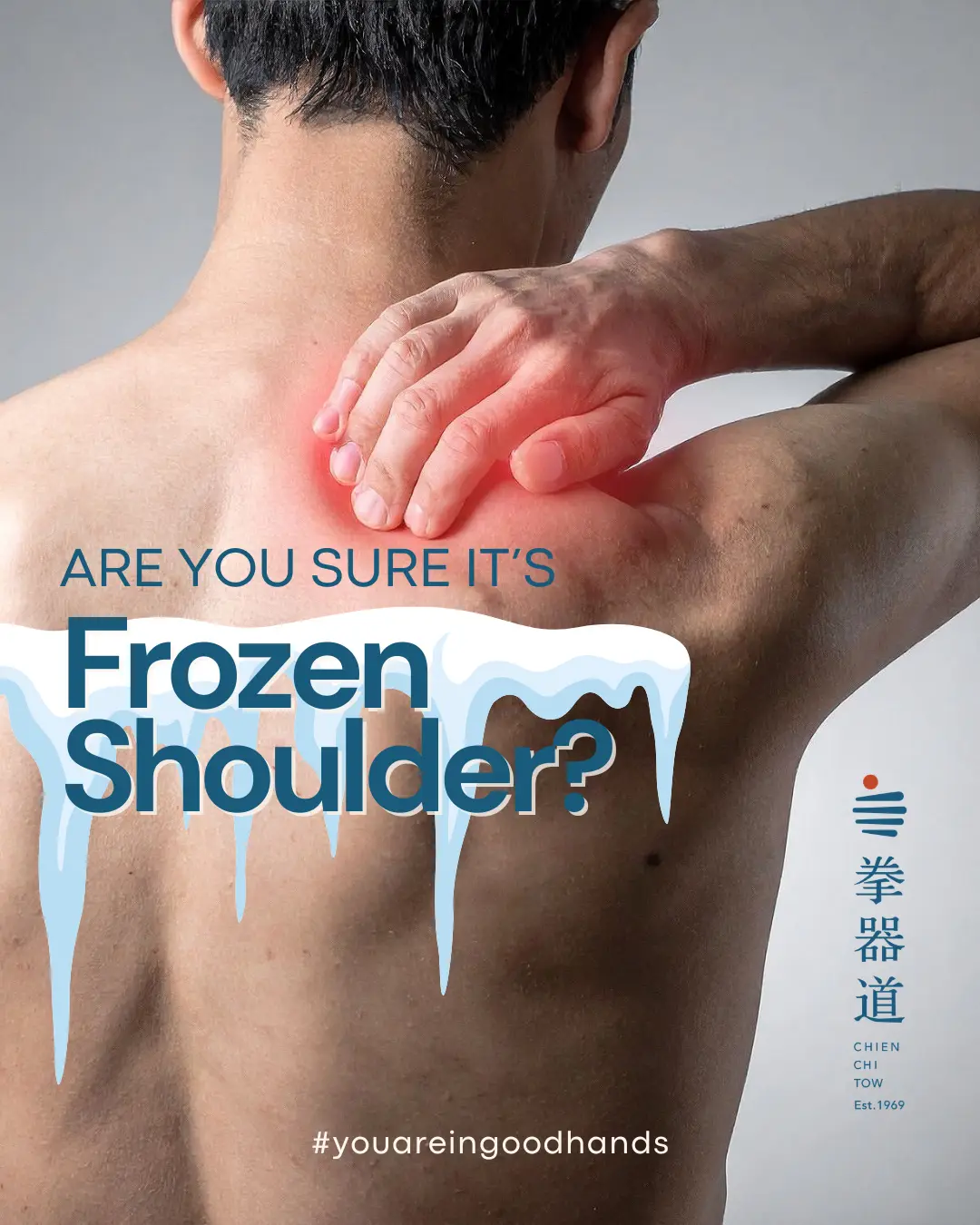
Many people start to suspect they have frozen shoulder when the shoulder begins to feel increasingly restricted rather than just sore. Yet frozen shoulder is commonly misunderstood and often misidentified. Before deciding what to do next, it is important to understand what frozen shoulder really is, how it develops, and whether it truly explains what you are experiencing.
We will help you better identify frozen shoulder, understand its common types and stages, and recognise when further guidance may be helpful.
What Frozen Shoulder Really Is (Beyond the Basics)

Frozen shoulder, also known as adhesive capsulitis, is a condition characterised by a gradual loss of shoulder movement accompanied by pain and stiffness. Unlike muscle soreness or strain, frozen shoulder affects the mobility of the shoulder joint itself, making movements feel restricted or “stuck” rather than simply weak.
What makes frozen shoulder particularly challenging is that it rarely begins with a clear injury. Instead, it develops quietly over time, often catching people off guard when daily activities become increasingly limited.
The 3 Common Types of Frozen Shoulder
Not all frozen shoulders are the same. Understanding which type you may be experiencing can help explain why certain approaches work for some people but not others.
1. Primary (Idiopathic) Frozen Shoulder
This is the most common type. It develops without an obvious injury or trigger and is often observed in adults aged 40 to 60.
Common features include:
- Gradual onset of stiffness
- Increasing pain over time
- Progressive restriction of movement
People with primary frozen shoulder often struggle to pinpoint when the condition began, as symptoms develop gradually.
2. Secondary Frozen Shoulder
Secondary frozen shoulder develops as a result of another condition or event.
Common triggers include:
- Shoulder injury or surgery
- Prolonged immobilisation
- Certain medical conditions, such as diabetes or neurological issues
In these cases, the shoulder becomes stiff as a response to reduced movement or prolonged stress, and recovery may take longer.
3. Pseudo Frozen Shoulder (Commonly Mislabelled)
Many people believe they have frozen shoulder when they are actually dealing with severe shoulder tightness, muscle imbalance, or referred pain from the neck or upper back.
Common signs include:
- Pain and stiffness that fluctuate
- Some movements are still possible
- Symptoms that improve temporarily with rest or light movement
This group often responds better to targeted care once the true source of restriction is identified.
The Stages of Frozen Shoulder and Why Timing Matters

Frozen shoulder typically progresses through stages, and understanding where you are can provide direction to what approach is more appropriate. These stages typically do not change suddenly; instead, they reflect how the shoulder has responded to stress, restriction, and compensation over time.
Freezing Stage
This stage is dominated by pain. Shoulder movement becomes uncomfortable, and night pain is common. Stiffness begins to increase gradually.
This stage often develops after periods such as:
- Reduced shoulder movement due to pain, strain, or guarding
- Long hours of desk work or poor posture can cause gradual restriction
- Avoiding shoulder movement after minor discomfort or injury
At this point, the body is still reactive. Movement may feel painful, but it is not yet completely restricted.
Frozen Stage
Pain may stabilise, but stiffness worsens. Shoulder movement feels significantly restricted, and daily activities become challenging.
This stage usually follows months of ongoing restriction, where the shoulder has adapted to limited movement. The joint feels stiff rather than inflamed, and forced movement is often ineffective or uncomfortable.
Thawing Stage
Pain gradually decreases, and movement begins to return. Recovery can take time, but progress becomes more noticeable.
It is important to understand that the transition into the thawing stage is gradual. While treatment and appropriate care can support improvement, it is uncommon for frozen shoulder to move fully from the freezing stage to the thawing stage after a single session. Instead, improvement is typically seen as:
- Reduced pain or guarding
- Slightly improved ease of movement
- Better tolerance of daily activities
Each stage requires a different level of care and attention. What helps in one stage may not be suitable in another, which is why identifying the stage matters before deciding on the next step.
Why Proper Identification Matters Before Choosing Workouts

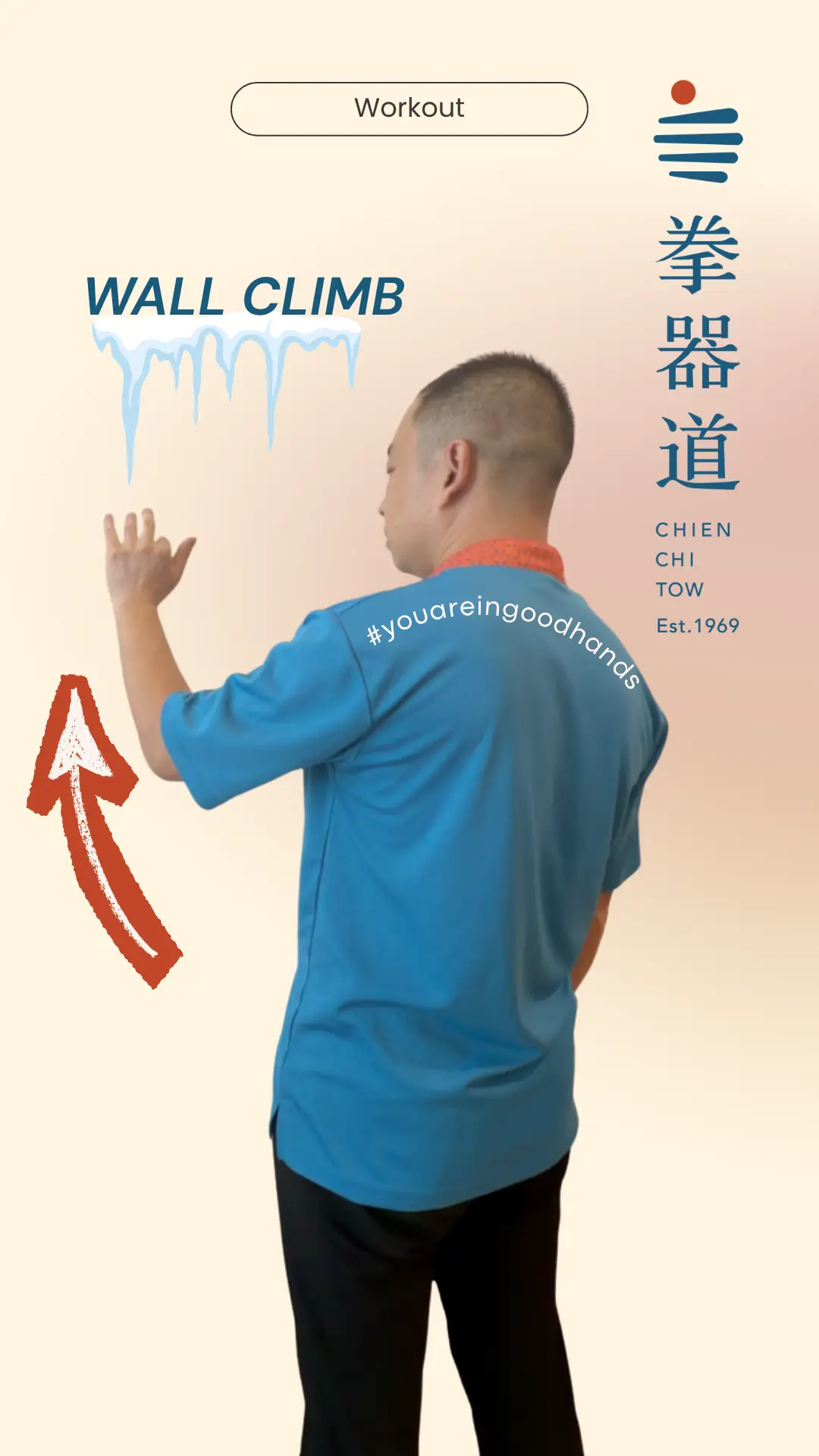
When it comes to frozen shoulder, what you do next matters less than whether you have correctly identified the condition. Many people search for workouts to regain movement quickly, but workouts are only effective when they are aligned with the appropriate type andstage of frozen shoulder.
Different types and stages of frozen shoulder respond very differently to movement. Exercises that are helpful in one stage may feel ineffective or even aggravating in another. This is why following generic workout advice without understanding what your shoulder is going through can slow recovery or increase frustration.
Before choosing any workout approach, it is important to first identify:
- Whether you are dealing with true frozen shoulder or a look‑alike condition
- What type of frozen shoulder it is
- What stage the shoulder is currently in
The next article focuses on workouts that best suit different types and stages of frozen shoulder, explaining when movement supports recovery, when it should be modified, and when exercises alone may no longer be sufficient.
What to Do Next
If shoulder stiffness and pain have been limiting your daily life, the most important step is not to do more, it is to understand what you are dealing with. Understanding whether you have frozen shoulder and identifying its type and stage clarifies what your shoulder needs at this point.
Once this is clearer, the next step is to determine which workouts are appropriate for your condition and which may not be helpful yet. The right movements can support recovery, while the wrong ones may increase frustration or prolong stiffness.