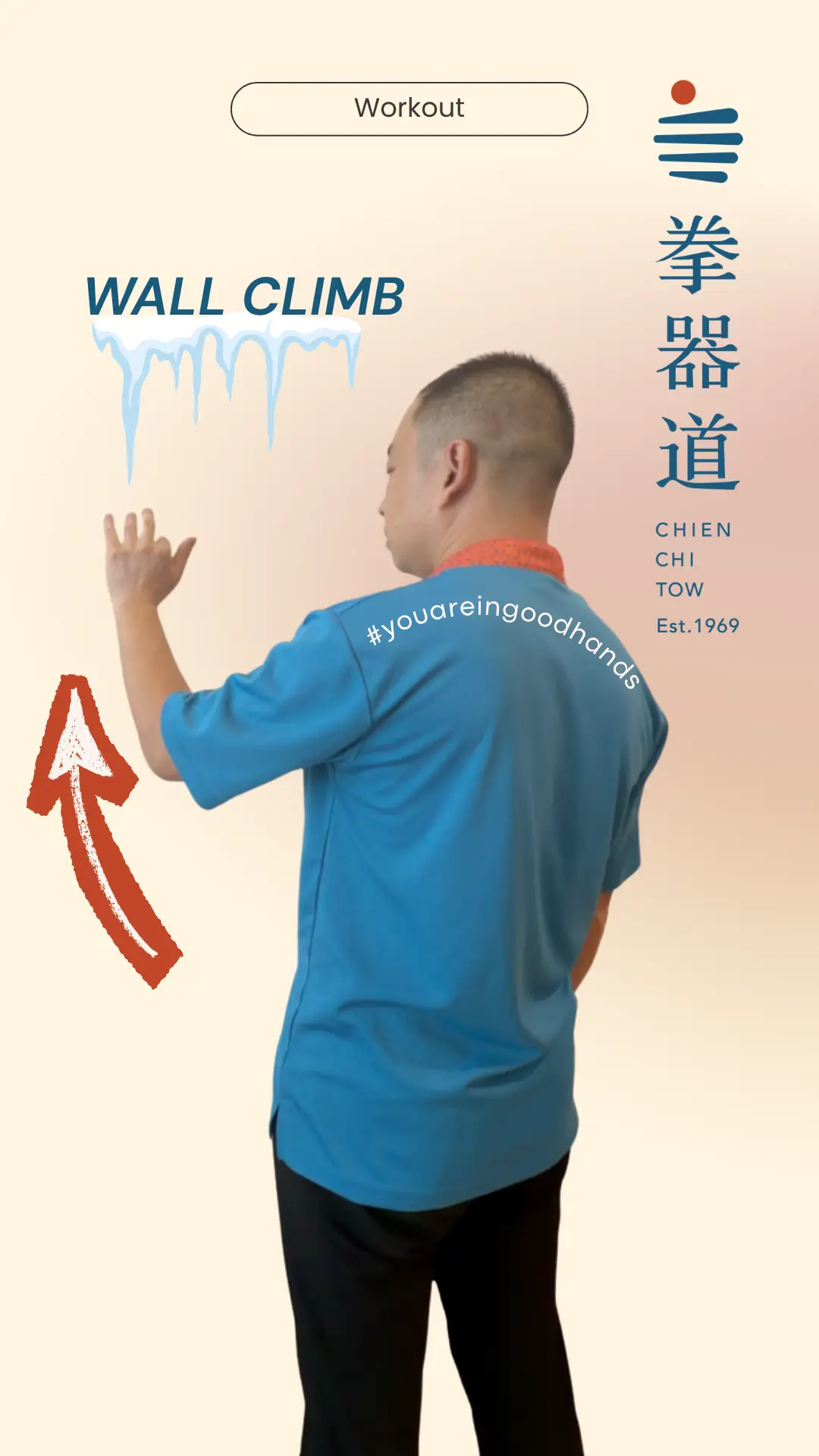


Wrist pain is a common but often overlooked issue, especially among working adults and active individuals. It may start as mild discomfort when typing, using a phone, lifting objects, or exercising, and gradually progress into stiffness, weakness, or recurring pain that interferes with daily tasks.
Because wrist pain is frequently localised and subtle at the beginning, many people ignore it until it becomes persistent. However, wrist pain is rarely isolated. In many cases, it reflects how the body is compensating for strain, posture, or repetitive habits elsewhere.
In this article, we explore why wrist pain develops gradually, how everyday habits contribute to it, when early warning signs are often missed, and why professional assessment becomes important before the condition worsens.
Why Wrist Pain Is So Common Today

Our lifestyles place significant demands on the wrists. From long hours at the computer to frequent phone use and repetitive hand movements, the wrists are constantly engaged with minimal variation or rest.
Common contributors to wrist pain are often linked to how frequently we use our wrists throughout the day, including:
- Spending long hours typing or using a mouse with little variation
- Frequent phone use, scrolling, or gripping devices repeatedly
- Performing the same hand movements for extended periods without rest
- Regular participation in sports or exercise that loads the wrists repeatedly
- A sudden increase in wrist‑dependent activities without allowing the body time to adapt
Over time, this repeated and frequent use places continuous strain on the wrist and surrounding structures, leading to muscle fatigue, tendon irritation, and restricted movement even without a specific injury.
Wrist Pain Is Not Always a Wrist Problem
When wrist pain appears, most people naturally assume that the problem lies in the wrist itself. For example, you may feel soreness after a long day of typing, phone use, or lifting objects, and assume that resting or massaging the wrist alone will solve the issue.
However, in many cases, wrist pain is a result of compensation rather than the original cause. The wrist works closely with the forearm, elbow, shoulder, and even the neck. When these areas are tight, weak, or overworked, the wrist often has to take on extra strain to keep daily movements going.
For instance,
- Desk work example: Slouching or rounding your shoulders while typing can shift the workload down your arms, causing your forearm and wrist muscles to work harder just to keep your hands steady on the keyboard or mouse
- Exercise example: When shoulder or elbow strength is lacking, the wrist often takes over during push-ups, weight training, or lifting objects, leading to soreness or strain after workouts
- Daily habit example: Repeating the same movements all day — such as scrolling on your phone, clicking a mouse, or gripping tools — without proper breaks forces the wrist to compensate again and again, preventing full recovery
This is why wrist pain may:
- Return even after resting the wrist
- Shift between different areas of the hand, forearm, or elbow
- Feel worse during certain activities, such as typing, gripping, or exercising, rather than being constant
Without understanding and addressing these compensations, treatment focused only on the wrist may provide short-term relief but fail to prevent the pain from coming back.
How Everyday Habits Gradually Lead to Wrist Pain
Wrist pain often develops quietly over time, as small daily habits accumulate strain rather than from a single obvious incident.
1. Overuse from Daily Habits and Stress
Overuse often feels harmless at first. Typing, clicking a mouse, scrolling on your phone, gripping tools, and working through stressful periods are actions most people do daily without giving them much thought.
In the beginning, the wrist usually adapts well. You may feel nothing at all, or only slight tiredness that goes away after rest. During busy or stressful periods, muscles may also remain subtly tense, even when you are resting. This combination of repetitive use and underlying tension is why many people dismiss early signals and continue with the same habits.
However, when these patterns continue day after day without sufficient breaks or recovery, subtle strain can begin to accumulate within a few weeks. Because the discomfort is mild and inconsistent, it is often ignored. Over time, often over several months, this accumulated overuse can turn into persistent soreness, stiffness, or weakness that no longer resolves on its own.
This is how wrist pain often develops quietly: it feels insignificant at first, until it reaches a point where everyday tasks such as typing, gripping, or lifting become uncomfortable.
2. Poor Ergonomics
Poor ergonomics rarely cause immediate pain, which is why they are easy to overlook. Sitting at an unsuitable desk height, using a keyboard that is positioned too high or too low, or working without wrist support may feel manageable in the short term.
In the early stages, signs such as wrist tightness or fatigue may appear within 2 – 4 weeks, but they are often brushed off as temporary discomfort. When poor ergonomics continue day after day, strain gradually accumulates. Over a few months, this can lead to more noticeable pain, stiffness, or reduced wrist mobility and potentially become chronic pain.
By the time pain becomes obvious, the body may already be compensating in other areas, making recovery more complex than if adjustments were made earlier.
3. Repetitive Movement from Exercise
Exercise-related wrist pain also tends to develop gradually. Especially during sports activities that require the same movement, the wrists may cope initially even if the technique, strength, or progression is not ideal.
Because the discomfort often starts as mild soreness, it is commonly brushed off as part of a “good workout.” Wrist strain from exercise can begin to appear within days to weeks, especially after sudden increases in training intensity or volume. If repetitive loading continues without proper recovery, technique correction, or support from the shoulders and elbows, strain can accumulate over several weeks or months.
What begins as minor post-exercise soreness may eventually affect everyday activities such as lifting objects, typing, or bearing weight through the hands.
Because these habits often feel insignificant at the beginning, wrist pain can develop quietly in both active individuals and working adults, often before they realise there is an underlying issue forming.
Signs Your Wrist Pain Should Not Be Ignored
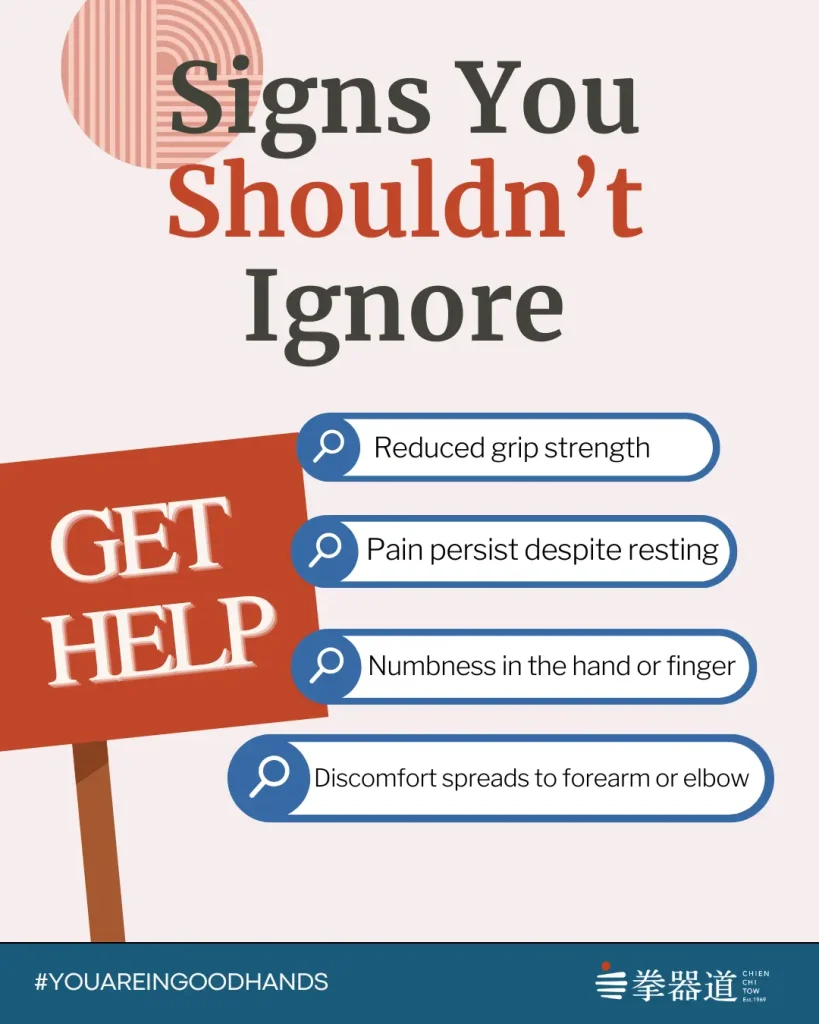
Mild soreness may resolve with rest. However, certain signs suggest that wrist pain may require further attention.
You may want to take action if:
- Pain persists despite rest
- Weakness or reduced grip strength develops
- Tingling or numbness occurs in the hand or fingers
- Pain interferes with work, exercise, or daily tasks
- Discomfort spreads to the forearm or elbow
These signs may indicate that the underlying issue has not been addressed.
Understanding Wrist Pain from a TCM Perspective
From a TCM perspective, wrist pain is rarely viewed in isolation. The wrist is part of a connected system involving muscles, tendons, joints, and circulation along the arm and upper body.
A whole-body approach considers:
- How the arm and shoulder support wrist movement
- Areas of tension or restriction along the arm
- Posture and repetitive habits
- Circulation and recovery capacity
This perspective helps explain why focusing only on the wrist may not resolve recurring discomfort
Effective Treatment for Wrist Pain
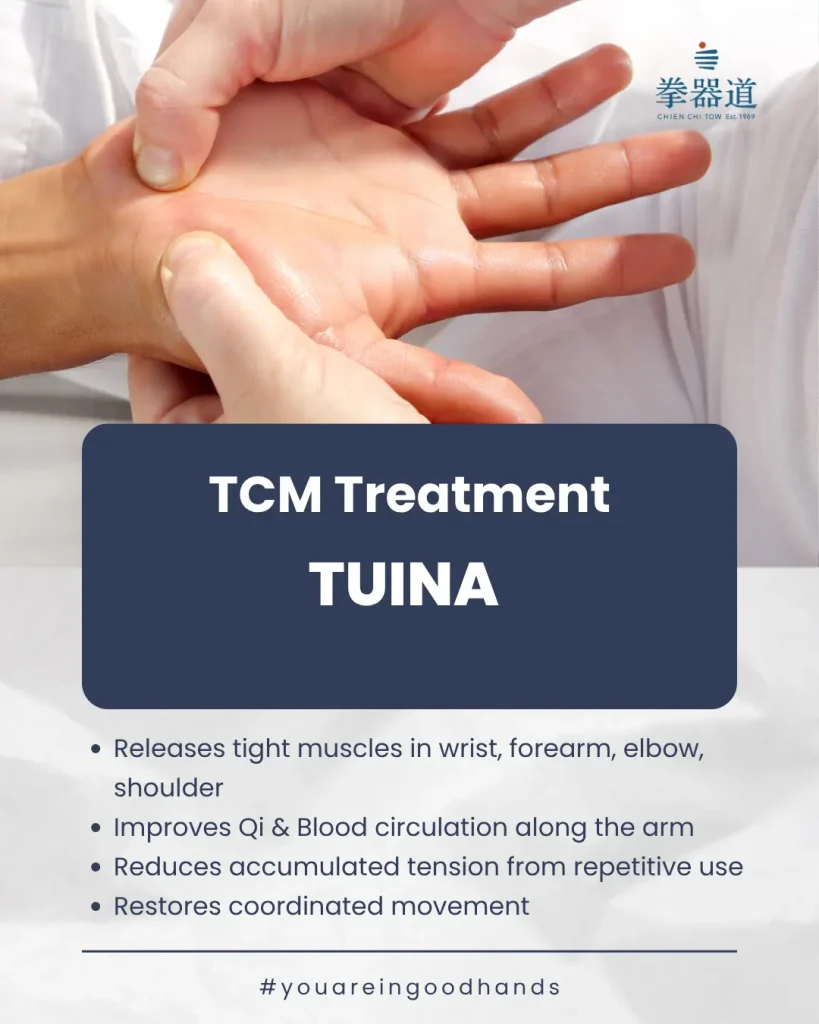
Tuina, a form of TCM meridian massage, is commonly used to help relieve wrist pain and related tension. It can provide more immediate relief by:
- Releasing tight muscles in the wrist, forearm, and related areas
- Improving circulation to reduce stiffness and soreness
- Supporting joint mobility and functional movement
Importantly, Tuina is often applied not only at the wrist, but also along connected areas that contribute to strain. This approach helps address compensatory patterns rather than just surface symptoms.
When to Consider a Professional TCM Assessment
If wrist pain keeps returning, worsens with activity, or affects your ability to work or exercise, a professional assessment can provide clarity.
Early TCM assessment helps to:
- Identify contributing patterns beyond the wrist
- Understand how daily habits and posture affect strain
- Determine appropriate and personalised care
Addressing wrist pain early reduces the risk of it developing into a more persistent and limiting condition or worsening into chronic pain.
Taking the Next Step
Wrist pain does not have to be something you endure or work around. Understanding why it happens and addressing contributing factors early can help prevent long-term discomfort.